
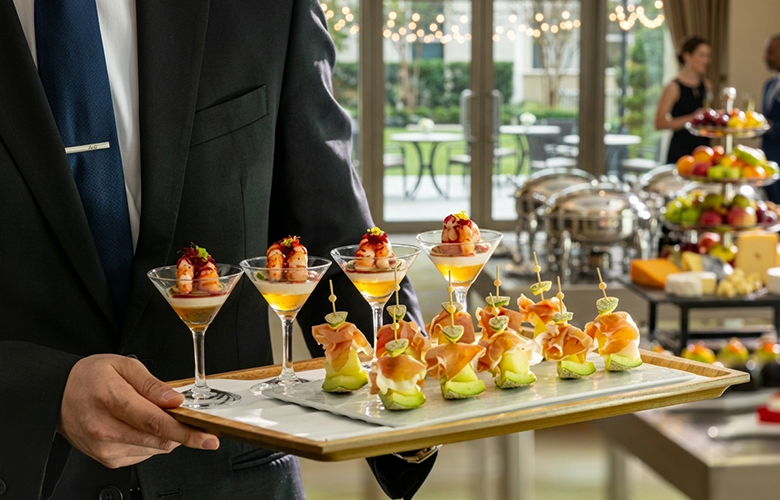
An executive dinner may feel small, yet its impact can shape future deals and friendships. People remember how a room made them feel more than the cost of the steak. Thoughtful planning turns a simple meal into a clear signal of respect. In this blog, you will learn how to use easy steps—space, food, timeline, service, and even a little tech—to show guests they matter. We keep every idea straightforward so you can act on it right away. No fancy jargon, no fluff, just clear actions. Each part below runs about two minutes of reading, making it simple to follow. By the end, you will see how small touches create big value for leaders who give up an evening of their busy schedule to join you.
Know Your Guests and Their Simple Needs
A dinner feels thoughtful when it fits the people at the table. Begin with a short guest survey or a quick call to the executive assistants. Ask about food allergies, diet plans, and comfort habits like preferred chair height or noise level. Keep a single-page guest sheet—name, position, known interests—to guide every choice.
- Allergy matrix: List the top nine allergens and place a ✔️ by any guest who needs a dish free of that item.
- Noise index: Aim for background music below 55 dB; use a free phone app to measure.
- Seat map: Give left-handed diners seats with space on their strong side to avoid elbow knocks.
Technical tip: Use a shared spreadsheet with data validation to flag conflicts. A red cell warns you if two guests have opposing dietary rules in the same preset course, letting you rethink the menu before the chef orders supplies.
At table time, greet guests by name and mention one interest you noted. That tiny recall makes a large boardroom feel like a friendly living room.
Choose A Venue That Feels Warm And Clear
The room sets the mood long before the plates land. Pick a private space with a ceiling no higher than 12 feet; this keeps voices from echoing. Warm LED lighting at 2700 K makes faces look natural. Check airflow, too—set the HVAC to 72 °F and 40–45 % humidity so jackets stay on, and wine glasses avoid fog.
Venue checklist:
- Doors shut tight to block hallway noise
- One power outlet per two guests for charging
- Wi-Fi speed at least 25 Mbps down and 10 Mbps up
- Restroom within a 30-second walk
Measure the table-to-wall distance; you need at least 48 inches so servers pass without brushing chairs. A mobile laser rangefinder costs little and gives fast, accurate reads—far safer than eyeball guesses. Once these facts are right, the room fades into the background, letting conversations take center stage.
Create A Smooth And Flexible Dinner Timeline
A clear timeline shows care for busy calendars. Block two hours total, broken into four simple parts:
- Welcome drinks – 15 minutes
- First and main courses – 75 minutes
- Dessert and coffee – 20 minutes
- Closing remarks – 10 minutes
Use a kitchen-to-table time chart. Plate temperature drops about 2 °F each minute in open air; keeping service paths under 30 seconds preserves heat. Synchronize staff by using a shared group chat (mute phones, show messages on wrist buzz). Add a 10-minute “slip buffer” after the main course for unexpected talk.
Technical note: Build the timeline in calendar software and invite the chef and floor captain. Each step pops up as a reminder so pace never feels rushed yet never drags. Guests notice when coffee appears the moment dessert forks drop—that is real efficiency without stress.
Craft A Menu With Light Yet Memorable Flavors
Small dinners call for foods that satisfy without weighing guests down. Think of a four-course plan: seasonal salad, lean protein, balanced starch, bright dessert.
Menu design tips:
- Color rule: Keep at least three natural colors on every plate to appeal to the eye.
- Salt control: Cash in on 0.8 % salt by weight for main dishes; this matches average palate preference.
- Portion math: Aim for 6 oz protein, 4 oz starch, 3 oz veg per guest.
Swap heavy sauces for reductions and herb oils to avoid post-meal drowsiness. For wine, one ounce per mini pairing keeps minds clear for talk. Provide a non-alcoholic flight—sparkling tea or zero-proof vermouth—so no one feels left out.
Share a brief origin story of one ingredient, like a local farm’s harvest date. Facts connect plate to place and show genuine care.
Use Table Design To Spark Easy Conversation
Layout matters as much as the recipe. Round tables under 72 inches let everyone see each face. If you must use long tables, place guests in a gentle zigzag so sight lines remain open.
Table design elements:
- Linen in calm earth tones; loud colors steal focus from people
- Simple low-profile florals under 6 inches high
- One water glass and one beverage glass per guest—extra stemware crowds the surface
- Name tags printed in 16-point sans-serif for quick reading
Place a slim shared power rail down the center hidden by a wood sleeve; phones and tablets charge quietly. Want to avoid table-top clutter? Install under-table wireless pads marked with small decals. Now devices stay off the cloth yet remain ready for late-night flight alerts.
Good design means guests can reach bread, butter, and each other’s ideas without stretching.
Leverage Service Touchpoints For Thoughtful Personal Attention
Great service is not only about speed; it is about invisible timing. Train staff to observe: refill water when it drops below half, clear plates only when all diners finish, and speak no more than seven words when interrupting (“May I replace your fork, Ms. Lee?”).
- First pour of wine within three minutes of seating
- Silent crumb sweep before dessert
- Hot towel delivered on a small tray, not bare hand
Equip servers with tiny earpiece comms tied to a pocket push-to-talk unit. This leaves hands free while messages stay private. Use code colors—Green, Yellow, Red—to signal course readiness. Such systems prevent cross-talk and keep dining calm.
Remember, thoughtfulness also shows in farewell. Have coats warmed on low racks so guests slide into comfort on the way out.
Add Simple Tech For Smooth Professional Presentations
Business groups often share slides or quick notes. Keep gear simple: a 50-inch portable screen, HDMI and USB-C inputs, and a short-throw projector as backup. Pre-load slides onto a local stick and test the clicker range (aim for 30 feet).
Tech pointers:
- Use 16:9 aspect so laptop screens match display
- Set font at least 24 pt; no one squints
- Mute system sounds to avoid chimes mid-speech
For hybrid attendees, a 1080p webcam on a mini tripod at eye level lets remote leaders feel included. Run audio through a conference puck with echo cancel; place it dead center of the table for equal pickup. Finally, have a spare power bank ready—nothing stalls goodwill like a dead laptop during a Q-and-A.
When tech works without fuss, focus stays on insight and relationship, not gear glitches.
Final Thoughts On Thoughtful Executive Dining Events
A small executive dinner becomes special when every step shows you thought ahead—room comfort, guest needs, steady timing, balanced menu, clear table, attentive service, and smooth tech. These touches signal respect and build trust faster than any fancy décor could. When you want help bringing these ideas to life, remember CHEF TY™ by NY GLN Culinary Group LLC. We handle corporate events such as executive dinners, business meetings, networking events, and corporate celebrations, so you can concentrate on the conversation while we manage the details.